
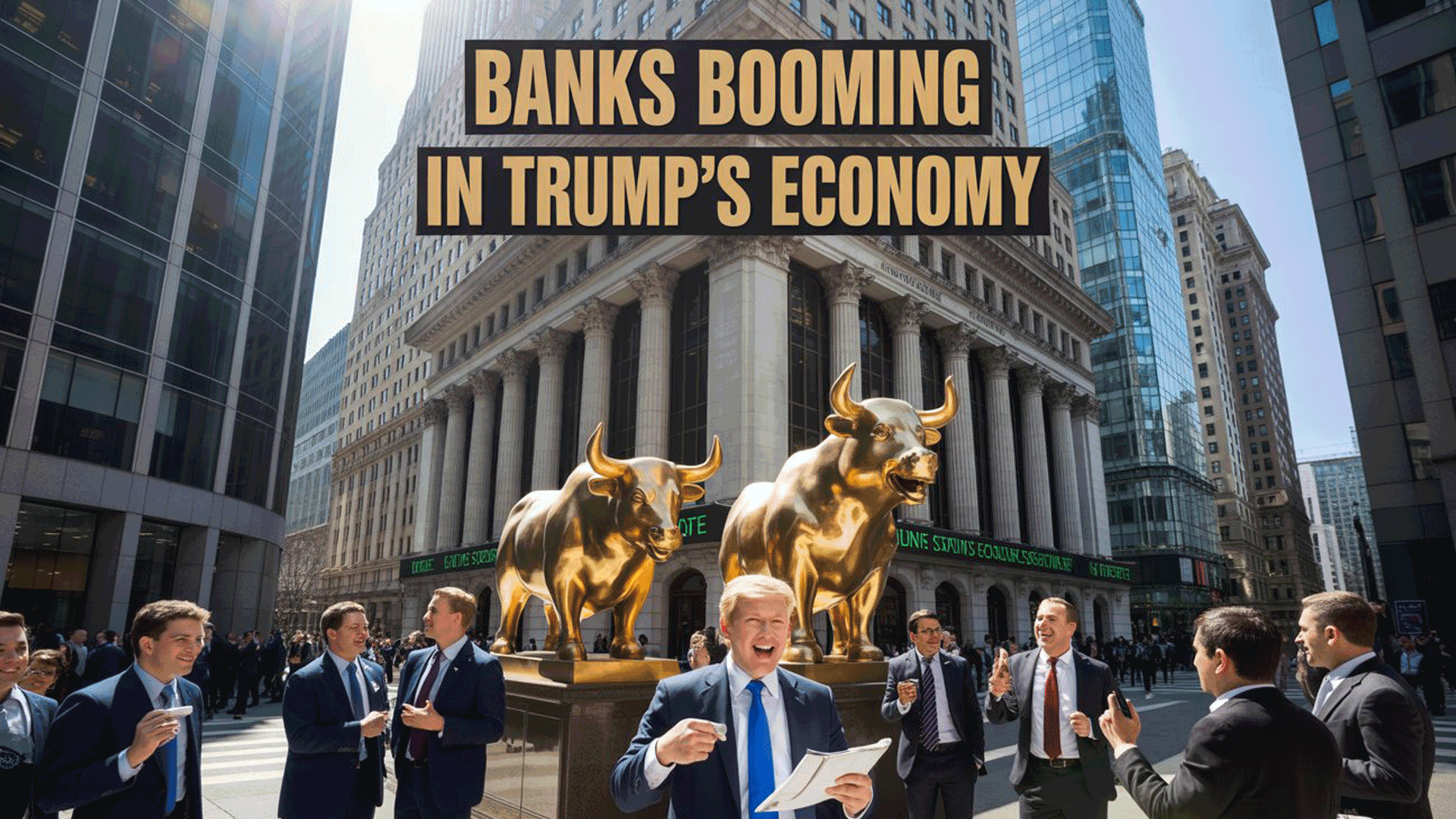
Lately, there’s been a lot of buzz about how well banks are doing. And if you’ve been paying attention to the news, you might’ve heard something like this: “Banks are thriving under Trump.”
But what does that really mean? And more importantly, how does it affect you—whether you’re trying to buy a house, pay off a loan, or just make sense of the economy?
Let’s break it down in simple terms.
Big Banks Are Making Big Money
Since Trump stepped back into the spotlight and started gearing up for another shot at the presidency, bank stocks have been climbing. Why? A lot of investors think Trump might bring back policies that are good for business—especially big business, like banks.
Banks like JPMorgan Chase, Bank of America, and Goldman Sachs are already reporting strong profits. Thanks to higher interest rates, they’re earning more money on loans. In basic terms, they’re charging people more to borrow money but not paying much to people saving money—and that’s how they profit.
So, Why Are Banks Doing So Well?
There are a few reasons why the financial world is feeling pretty good right now:
1. Possibly Less Regulation Ahead
Trump has always been a critic of heavy financial regulations. If he makes a comeback, there’s a good chance he’ll push for fewer rules on banks. That makes life easier (and more profitable) for them.
2. High Interest Rates Help Banks
Yes, high interest rates make life harder for people borrowing money. But for banks? It’s great news. The higher the rate, the more they earn on loans like mortgages and credit cards.
3. Wall Street Likes Trump’s Business Approach
Say what you will about Trump, but investors know what to expect with him—and markets love predictability. Many believe he’ll support policies that benefit corporations, including banks.
What This Means for You and Me
Okay, so banks are happy. But what about regular folks like us? Here’s how this boom might touch your day-to-day life:
1. Loans Are Still Expensive
Whether you’re buying a car or getting a mortgage, interest rates are still high. That means you’ll be paying more over time. Good for banks—not so great for borrowers.
2. It’s Still Hard to Get Approved
Even with record profits, banks aren’t throwing money around. If your credit score isn’t perfect or you’re self-employed, getting approved for a loan can still be tricky.
3. Strong Banks = More Stability
Here’s some good news: strong banks help keep the economy steady. We’re less likely to see a major collapse like the 2008 financial crisis when banks are in good shape.
Could Things Change? Absolutely.
Nothing in the economy stays the same forever. Here are a few things that could shake things up:
- Politics: If Trump doesn’t return to office, or if Congress pushes for stricter regulation, banks might face more rules again.
- Inflation Surprises: If inflation rises unexpectedly, the Fed could raise rates more—which could cause stress in other parts of the economy.
- Global Tensions: Wars, cyberattacks, or trade conflicts could make investors nervous and shake confidence in financial markets.
Wrapping It Up
Right now, banks are doing really well—and a lot of that has to do with Trump’s influence and the current economic setup. But while that’s good for Wall Street, the impact on everyday people is a mixed bag.
Borrowing is still expensive. Getting credit isn’t easy. And while the market looks stable now, things could shift fast depending on politics and global events.
For now, it’s a good time to stay informed. Whether you’re managing debt, planning a big purchase, or investing for the future—what’s happening with banks will affect you in one way or another.
Quick FAQs
❓ Why are banks doing better under Trump?
Because investors expect fewer rules and more business-friendly decisions if he returns, which means more profit for banks.
❓ Will interest rates come down soon?
Probably not right away. The Fed is being cautious. Rates may stay high until at least 2026 unless inflation really drops.
❓ Is this good or bad for regular people?
It depends. Strong banks mean a more stable economy, but high loan rates and tight lending can make life harder for the average consumer.
